

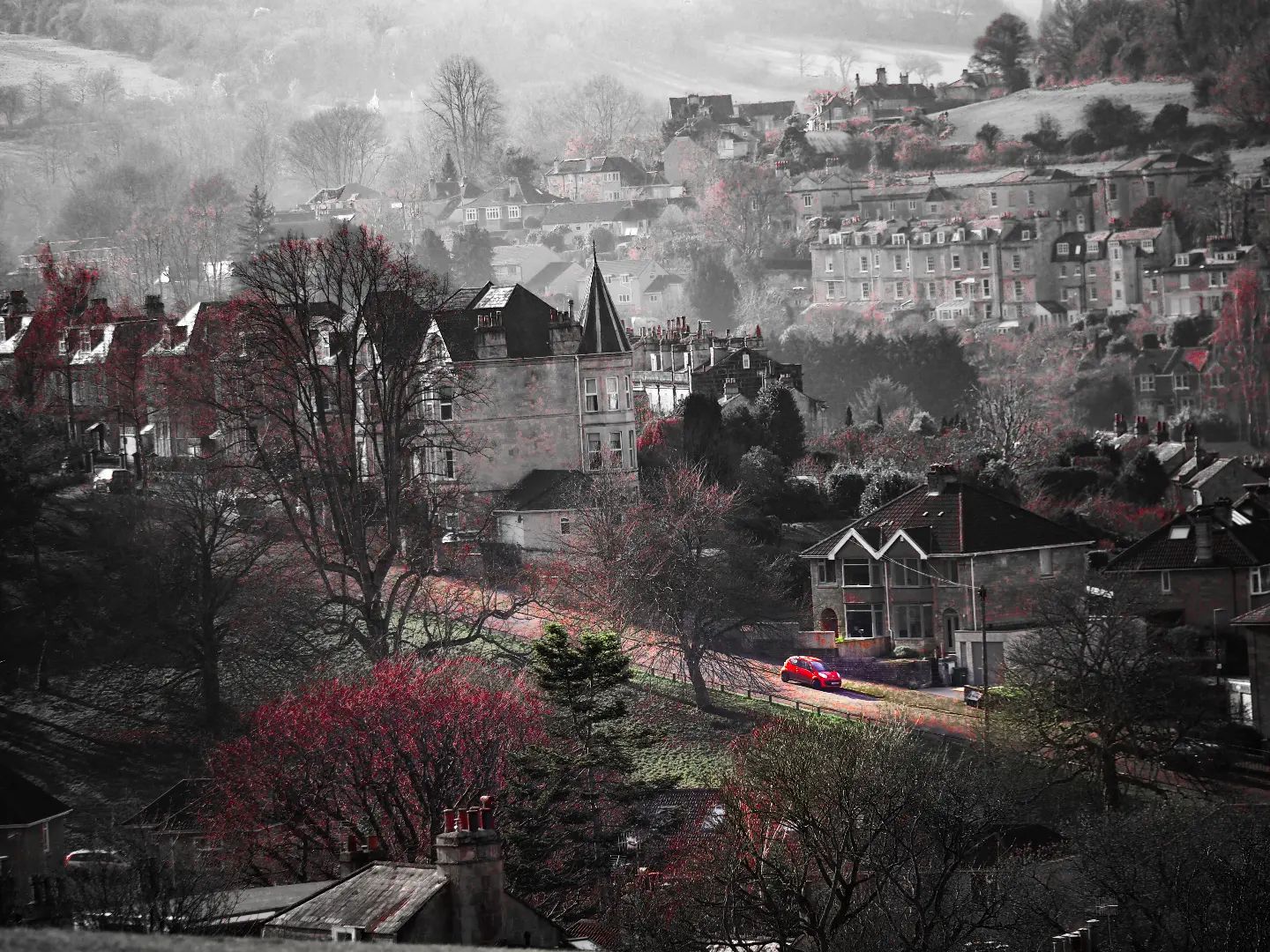
I – Introduction
Photography, with its fusion of artistry and technical precision, stands as a captivating medium through which individuals can capture the beauty, diversity, and essence of the world around them. From the humble beginnings of the camera obscura to the modern marvels of digital imaging technology, photography has evolved into a multifaceted discipline that transcends mere documentation to become a form of self-expression, storytelling, and exploration.
In this comprehensive guide, we embark on a journey through the rich tapestry of photographic history, techniques, and principles, delving into the origins of the medium, the fundamental concepts behind camera operation, and the nuanced interplay of composition, light, and subject matter. From the invention of the daguerreotype by Louis Daguerre to the pioneering work of contemporary photographers like Henri Cartier-Bresson, we uncover the pivotal moments, innovations, and insights that have shaped the evolution of photography into the art form it is today.
Through a meticulous exploration of camera settings, composition techniques, and mathematical principles underlying lens design, we equip aspiring photographers with the knowledge and tools necessary to embark on their own creative journeys. Whether capturing sweeping landscapes, intimate portraits, or abstract compositions, this guide provides a comprehensive roadmap for harnessing the power of photography to convey emotion, evoke thought, and inspire imagination.
Join us as we unravel the mysteries of photography, from the inception of light-sensitive materials to the digital revolution of the 21st century, and discover the boundless potential that lies within the frame of a single photograph. With dedication, practice, and a keen eye for beauty, anyone can unlock the transformative power of photography and embark on a lifelong pursuit of visual storytelling and self-expression.
Prepare to embark on a journey of discovery, creativity, and inspiration as we navigate the captivating world of photography together. Let’s begin!
II – The History of Photography and Cameras
The invention of photography is often attributed to several luminaries who made profound contributions to its advancement. Yet, among these figures, Louis Daguerre, a French artist and physicist, is prominently revered as one of the pioneers of practical photography. In the year 1839, Daguerre unveiled his revolutionary daguerreotype process, which entailed the exposure of a silver-coated copper plate to light, followed by the development of the resulting image using mercury vapor.

This ingenious technique yielded intricate and enduring images, marking a watershed moment in the annals of photography. Concurrently, William Henry Fox Talbot, an esteemed English scientist and mathematician, independently devised his own photographic process, known as the calotype. Talbot’s method involved the utilization of paper coated with silver iodide to capture images, subsequently enabling the creation of negatives for positive printing. These seminal contributions from Daguerre and Talbot laid the cornerstone for the evolution of modern photography, forever altering the landscape of visual representation and expression.

However, it was not until the development of the camera that photography truly became popular. The Arab scholar Ibn Al-Haytham, also known as Alhazen, is generally credited as being the first person to study how we see. He invented the camera obscura to demonstrate how light can be used to project an image onto a flat surface. This was documented by by the Han Chinese polymath Shen Kuo in his scientific book Dream Pool Essays, published in the year 1088 C.E. More interestingly, he also stated the Fermat principle (light travels in the shortest path possible) in the 11th century, 600 years earlier than Fermat!

Based on this principle, a subsequent model emerged shortly thereafter, namely the pinhole camera. When light traverses through a minute aperture or pinhole within the camera’s lightproof enclosure, it engenders an inverted representation of the external scene. This phenomenon arises from the straight trajectory of light rays, converging at the pinhole to project a reversed image of the surroundings onto the interior surface of the camera. The tininess of the pinhole correlates with the sharpness of the resulting image, although excessively small apertures may induce diffraction, thereby diminishing clarity. Moreover, protracted exposure times frequently become necessary due to the limited influx of light through the small aperture. This camera can be seen below :

In the ensuing decades, photography continued to evolve rapidly, with innovations such as the introduction of roll film by George Eastman in the late 19th century, which made photography more convenient and accessible to the masses. This was followed by the invention of the Kodak Brownie camera in 1900, which further democratized photography by making it affordable and easy to use for amateur photographers.

Throughout the 20th century, photography underwent a series of transformative changes, including the development of color film, the introduction of 35mm film and SLR cameras, and the transition from analog to digital photography, which is what we so take for granted today. Without a doubt, the ability for us to take photos so easily today is what made the internet what it is – all videos are consecutive photos played at such a high speed it seems indiscernible to our eyes. With this came the trend of taking selfies – this is very well explained in this video by Vsauce that dived into the history of selfies.
III – The Photographer Mentality and How to Get Started
We simply cannot talk about photography without mentioning the photographer mentality, which I think can best be summed up in one sentence, “No matter what it is, embrace failure”. This is quite aptly exhibited in the world of photography.
Henri Cartier-Bresson, a photographer who pioneered the genre of street photography, famously once said, “Your first 10,000 photos are your worst”. Though the expression may appear exaggerated, its essence remains genuine. The path to refinement, whether in the art of photography or personal development, is marked by repeated experimentation and learning from mistakes. Rather than allowing setbacks and misfortunes to dampen one’s spirit, they should serve as sources of empowerment. It is through the resilience forged in adversity and the determination to persevere that genuine progress is achieved, both in the pursuit of mastery behind the camera and in the broader journey of life.
So if you would like to get into photography, where should you start? Contrary to popular belief, there is no thing such as a “starter gear”; rather, it relies upon individual preferences and necessities. For those who wish to approach photography with a more casual disposition, I would recommend commencing with a smartphone, and to acquaint oneself with the intricacies of Adobe Lightroom, a favored editing software among many, and delve into the realms of color grading and masking. Experimenting with various techniques in Adobe Photoshop, despite its subscription cost, will prove to be more economical than investing in mediocre lenses.
Although equipment often holds considerable sway, particularly in disciplines such as astrophotography and nighttime photography, relying solely on a smartphone falls short. This is due to its limitations, such as a lack of higher ISO1 settings and adjustable exposure. Conversely, if one blindly pursues increasingly premium gear without striving to enhance their skills and techniques as a photographer, they may find themselves disillusioned and financially depleted, yet still unable to capture noteworthy photos. In such case if one would like to persue expertise, a more costly camera may prove to be an adequate choice. However, one should still not overly prioritize their photography equipment, as gear ought to be the last aspect to consider for alteration, speaking from personal experience (I commenced my photographic journey with a secondhand iPhone 6).

Here I would also like to talk about my own guide to general gears for photography. A highly recommended option for both portrait and street photography is the 70-200mm lens, prized for its flexibility and image quality. Typically available with an aperture of around 
However, for those conscious of budget constraints, there’s a great alternative: the Sigma 35mm lens with an aperture of
For those willing to consider second-hand equipment, there are significant cost-saving opportunities to be had. While compromising on condition, second-hand cameras and lenses can offer tremendous value for money, allowing photographers to access high-quality gear at a fraction of the cost.
When it comes to the 70-200mm lens, there are considerations to be made regarding aperture and weight. The
It’s important to note that while 70-200mm lenses are designed with full-frame cameras in mind, they can still be used with APS-C cameras. However, this results in an increase in effective focal length, extending telephoto capabilities even further.
IV – The Mathematics Behind Photography
Given that this is a site about mathematics, I figured it would be appropriate to devote some of this about the mathematics behind photography, specifically lenses. The general lens equation, which relates the object distance 


Another equation we need to know is that the power 

From this, we can also relate this to the Lensmaker’s equation, which is used to make different optical systems, such as eyeglasses and cameras:

From this, we can derive the thin-lens approximation. As 

We must also talk about the concept of lens aperature, which controls the amount of light entering the camera lens. It is typically expressed as the 

Here, a smaller

V – Conclusion
Photography, in its essence, is an art form as diverse and boundless as the human imagination itself. At its core, it is a medium of expression, a means through which individuals can capture moments, emotions, and perspectives, and immortalize them for posterity. Yet, despite its undeniable artistic merit, photography is often subject to scrutiny and debate, with critics questioning its status as a true art form. However, to dismiss photography as mere mechanical reproduction is to overlook the profound creative potential it offers.
Central to the art of photography is the concept of preference. Just as no two artists wield a paintbrush in the same manner, no two photographers approach their craft in identical fashion. Each individual brings their own unique vision, style, and aesthetic sensibility to their work, shaping the way they perceive and capture the world around them. Whether it be the play of light and shadow, the composition of a scene, or the choice of subject matter, every decision made by the photographer reflects their personal preferences and artistic intentions.
Furthermore, photography is about doing what one enjoys. It is about finding joy and fulfillment in the act of creating images that resonate with the photographer’s own sensibilities and interests. Whether one derives pleasure from capturing sweeping landscapes, intimate portraits, or abstract compositions, the essence of photography lies in the satisfaction and sense of accomplishment derived from creating images that speak to the photographer’s soul.
Moreover, photography transcends the confines of technical proficiency and equipment. While technical skill and knowledge are undoubtedly important in mastering the craft of photography, they are but tools in the hands of the artist. Ultimately, it is the photographer’s creative vision and emotional connection to their subject matter that breathe life into their images. A technically flawless photograph devoid of soul and emotion will never resonate with viewers in the same way as one imbued with the photographer’s passion and personality.
Indeed, the art of photography is a deeply personal and subjective endeavor. What one individual may consider a masterpiece, another may dismiss as insignificant or unremarkable. Yet, it is precisely this diversity of opinion and interpretation that makes photography such a rich and fascinating art form. Just as beauty lies in the eye of the beholder, so too does the value and significance of a photograph reside in the subjective experience of the viewer.
In the end, the true measure of a photograph’s worth lies not in its technical perfection or adherence to conventional standards of beauty, but in its ability to evoke emotion, provoke thought, and spark imagination. Whether it be a striking portrait that captures the essence of a person’s character, a breathtaking landscape that transports the viewer to distant lands, or a candid moment that reveals the beauty in life’s fleeting moments, the power of photography lies in its capacity to move and inspire.
Photography is about passion, creativity, and self-expression. It is about embracing one’s individuality and embracing the beauty of the world around us. Whether one chooses to pursue photography as a hobby, a profession, or simply as a means of self-expression, the essence of the art remains the same: to capture moments, tell stories, and share the beauty of life with others. In the end, it is not the camera or the equipment that defines the photographer, but rather the passion, vision, and creativity that they bring to their craft.
If you would like to see more of my photography, feel free to visit my site here! – Ryan
- ISO, or sensitivity to light, determines the camera sensor’s response to light. Lower ISO values are ideal for bright conditions, minimizing noise and preserving detail. Higher ISO values are useful in low light but can introduce noise. ↩︎
Leave a Reply